The Role and Benefits of Enzymes in Beverage Industry Processes
The Role and Benefits of Enzymes in Beverage Industry Processes
Unlocking Efficiency: The Role of Enzymes in Beverage Industry
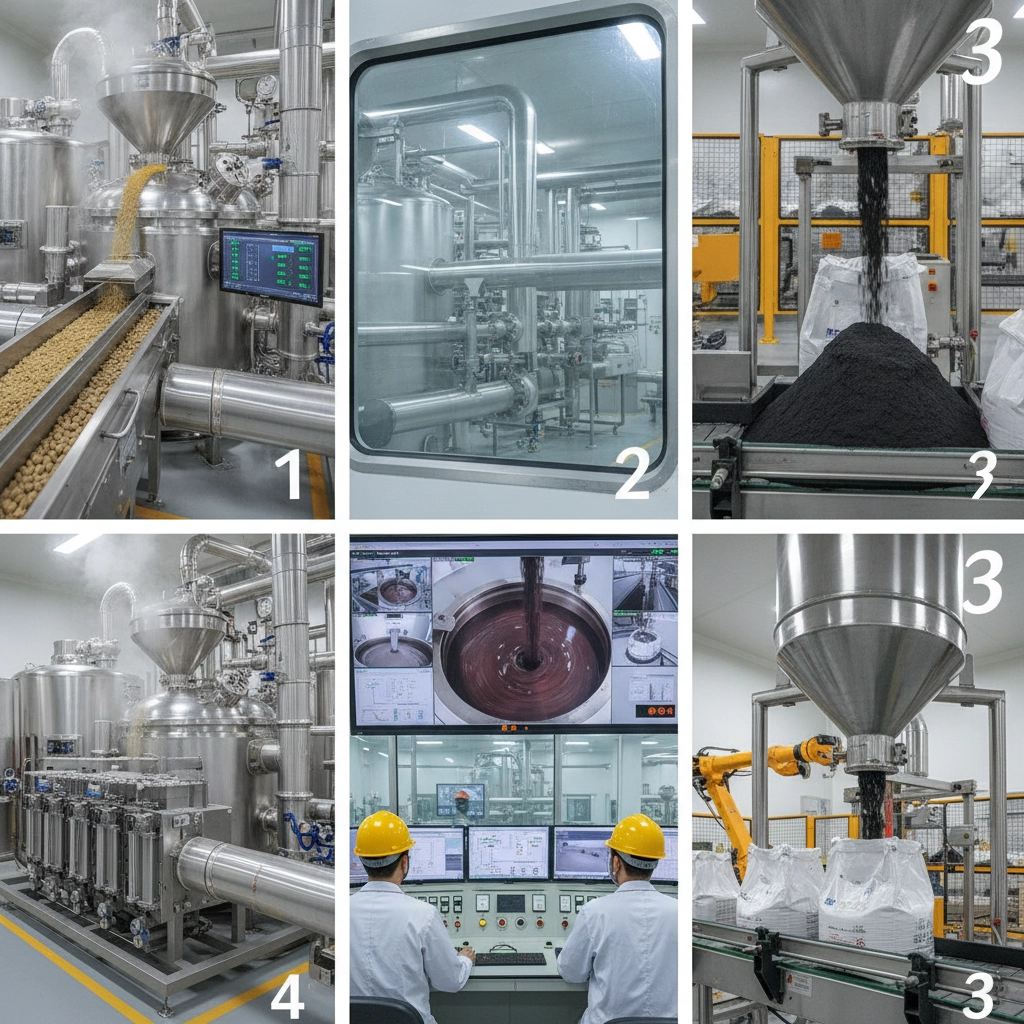
The modern beverage sector is constantly evolving to meet consumer demands for healthier, clearer, and more sustainable drinks. Central to this evolution is the strategic application of enzymes in beverage industry processes. These biological catalysts allow manufacturers to optimize production, reduce waste, and enhance the sensory profiles of their products without relying heavily on harsh chemicals. From clarifying fruit juices to refining brewing processes, enzymes provide a precision tool for biochemical transformation. In this guide, we explore how these powerful proteins are reshaping beverage production and the specific advantages they bring to the table.

Optimizing Juice Extraction and Clarity
One of the most prominent uses of enzymes in beverage industry is in the production of fruit juices. Pectin, a naturally occurring polysaccharide in fruits, often creates a cloudy appearance and increases viscosity, which can hinder filtration. By introducing pectinases, manufacturers can break down these pectin chains, resulting in a crystal-clear juice with improved yield. This process not only enhances the visual appeal for the consumer but also significantly reduces the time and energy required for filtration, making the entire operation more cost-effective.
Industry Insight: The use of pectinolytic enzymes can increase juice yield by up to 15% in certain apple and grape varieties, directly impacting the bottom line of large-scale producers.
Enhancing Brewing and Fermentation Processes
In the brewing and wine-making sectors, enzymes are indispensable for controlling the breakdown of starches and proteins. Amylases are used to convert complex starches into fermentable sugars, ensuring a consistent alcohol content and flavor profile. Furthermore, glucanases help reduce the viscosity of the wort, preventing "stuck" mash issues. The precision of these biological tools allows brewers to create specialty low-calorie drinks or high-gravity beers with meticulous control over the final product's body and mouthfeel.

Comparison of Common Enzymes in Beverage Industry
Understanding which enzyme to use depends on the target substrate and the desired outcome. While some enzymes focus on clarification, others are geared toward flavor enhancement or viscosity control. The integration of enzymes in beverage industry applications allows for a tailored approach to product development.
Sustainability and the Green Shift in Production
The shift toward "Green Chemistry" has placed enzymes in beverage industry at the forefront of sustainable manufacturing. Unlike traditional chemical catalysts, enzymes operate at lower temperatures and neutral pH levels, which significantly reduces energy consumption and CO2 emissions. Furthermore, because enzymes are biodegradable, they eliminate the need for hazardous waste disposal. This alignment with ESG (Environmental, Social, and Governance) goals makes enzymatic processing a preferred choice for brands aiming to reduce their ecological footprint while maintaining high product quality.
Technical Specifications for Beverage Enzymes
To achieve consistent results, beverage producers must adhere to strict specifications regarding enzyme activity, purity, and stability. The effectiveness of these biocatalysts depends on factors such as temperature, pH levels, and the concentration of the substrate. Ensuring the correct grade of enzyme is essential to avoid off-flavors or unstable products. Below is a typical specification table for a standard industrial pectinase used in the beverage sector:
Future Trends: Designer Enzymes and Biotechnology
Looking forward, the application of enzymes in beverage industry is moving toward synthetic biology and "designer enzymes." Using CRISPR and protein engineering, scientists are creating enzymes that are more thermostable and active at wider pH ranges. This means production can happen faster and under more diverse conditions, further lowering costs. We are also seeing a rise in enzymes used to create sugar-free alternatives that maintain the viscosity and mouthfeel of traditional sugary drinks, catering to the global health trend.
Conclusion: The Enzymatic Revolution in Beverages
The integration of enzymes in beverage industry workflows has transformed the way we produce everything from simple juices to complex fermented drinks. By providing superior clarity, enhancing yields, and reducing environmental impact, enzymes are no longer just additives—they are essential catalysts for innovation. As biotechnology continues to advance, the beverage industry will only become more efficient, sustainable, and capable of delivering high-quality products to consumers worldwide.
Frequently Asked Questions (FAQs)
Are enzymes used in beverages safe for human consumption?
Yes, the vast majority of enzymes used in the beverage industry are classified as GRAS (Generally Recognized as Safe). They are biological proteins that typically act as processing aids, meaning they perform their function during production and are often deactivated by heat (pasteurization) before the final product reaches the consumer. Because they are biodegradable and naturally derived, they are considered a safe and often "cleaner" alternative to synthetic chemical additives.
How do enzymes help in making "clear" fruit juices?
Fruit juices are naturally cloudy due to pectin, a complex carbohydrate that holds particles in suspension. Pectinase enzymes specifically target and break down these pectin molecules, reducing the viscosity of the liquid and allowing the suspended solids to clump together and settle or be filtered out more easily. This results in a transparent, aesthetically pleasing juice that is more stable during storage and has a more consistent flow during bottling.
Do enzymes affect the taste or nutritional value of the beverage?
When used correctly at the specified dosages, enzymes typically do not negatively affect the taste; in fact, they often enhance it by releasing trapped aroma compounds from the cell walls of fruits. Nutritionally, enzymes can actually be beneficial, such as when they break down complex starches into simpler sugars or reduce unwanted proteins that cause allergens or haze. However, precise control of temperature and pH is required to ensure the enzyme doesn't over-process the product, which could potentially alter the flavor profile.
Why are enzymes considered a sustainable choice for manufacturers?
Enzymes are sustainable because they are biodegradable catalysts that replace harsh chemicals. Traditionally, clarification or starch conversion required high heat or strong acids/bases. Enzymes work at mild temperatures and neutral pH, which drastically cuts energy costs and reduces the carbon footprint of the factory. Additionally, they increase the efficiency of raw material usage (higher yields), meaning less fruit or grain is wasted during the production process, contributing to a more circular economy.