Sustainable Manufacturing and Enzymes Used in Industry Examples
Sustainable Manufacturing and Enzymes Used in Industry Examples
Enzymes Used in Industry Examples: Transforming Modern Manufacturing
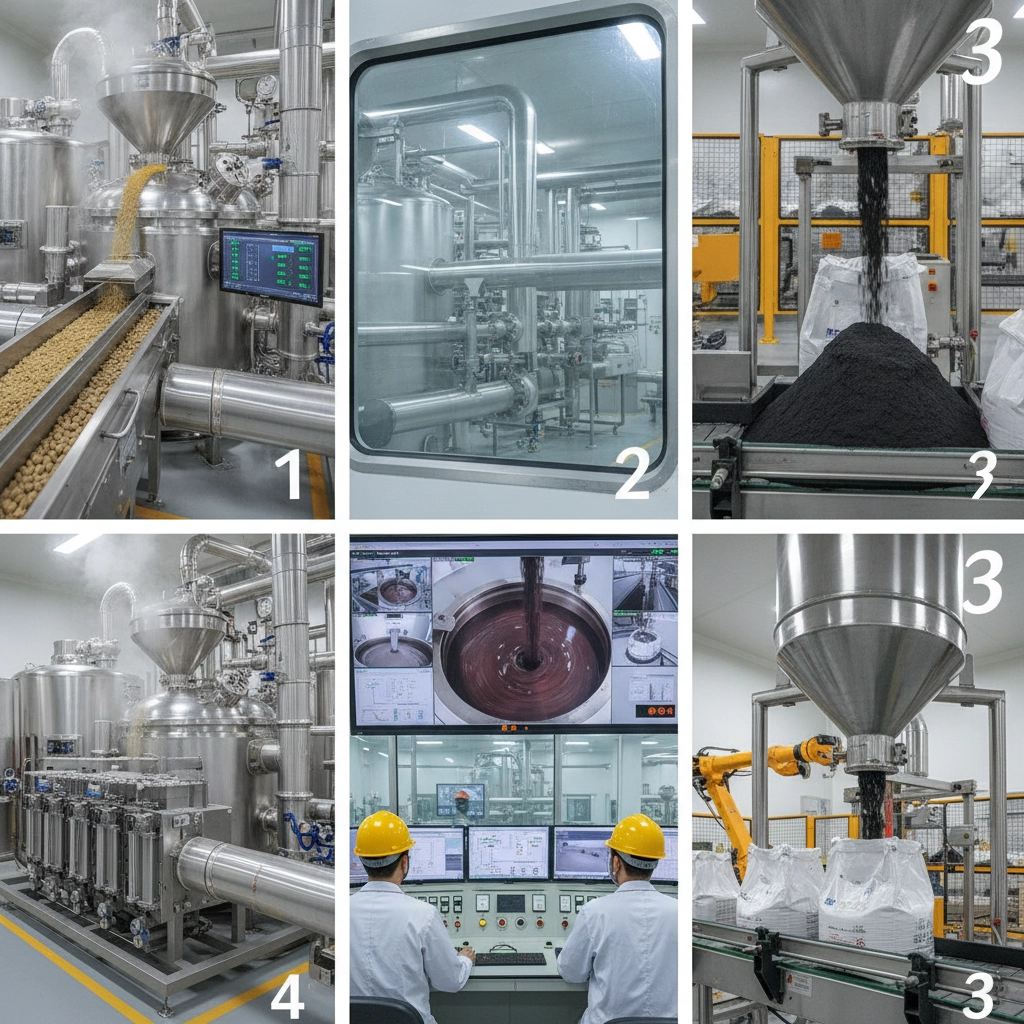
In the modern industrial landscape, the shift toward sustainable and efficient production has led to the widespread adoption of biocatalysts. Understanding various enzymes used in industry examples reveals how biological catalysts can replace harsh chemicals, reduce energy consumption, and increase yield. From the clothes we wear to the food we eat, enzymes work silently behind the scenes to break down complex molecules and synthesize new materials with surgical precision. By leveraging these natural proteins, companies can achieve a "greener" footprint while maintaining high operational standards. This guide explores the most impactful industrial enzymes and their real-world applications.

The Role of Proteases in Detergents and Leather
Proteases are perhaps the most commercially significant of all enzymes used in industry examples. These enzymes specialize in breaking down proteins into smaller peptides or amino acids. In the laundry industry, proteases are essential for removing protein-based stains like blood, grass, and food. In the leather industry, they are used during the "dehairing" and "bating" processes to remove unwanted proteins from hides, resulting in a softer, more pliable leather. Their ability to function at specific pH and temperature ranges makes them indispensable for high-efficiency cleaning products.
Industrial Fact: Proteases have significantly reduced the need for caustic soda in leather processing, lowering the chemical oxygen demand (COD) in wastewater treatment plants.
Amylases and Cellulases: Key Enzymes Used in Industry Examples
Amylases and Cellulases represent the backbone of the textile and food sectors. Amylases break down starch into sugars, which is critical for brewing and corn syrup production. Cellulases, on the other hand, act on cellulose. In the textile industry, "biopolishing" uses cellulases to remove protruding micro-fibers from cotton fabrics, preventing pilling and improving the smoothness of the garment. These enzymes used in industry examples provide a biological alternative to traditional chemical scouring, saving thousands of gallons of water annually.
Lipases and the Revolution in Biodiesel
Lipases are enzymes that catalyze the hydrolysis of fats. While they are used in the food industry for flavor development in cheeses, their most significant impact is in the production of biodiesel. Traditional biodiesel production requires strong alkaline catalysts and high temperatures. By utilizing lipases, the process becomes more energy-efficient and produces fewer waste by-products. This shift highlights why enzymes used in industry examples are central to the global transition toward renewable energy and sustainable chemical engineering.

Comparing Enzymatic vs. Chemical Catalysis
When evaluating enzymes used in industry examples, it is helpful to compare them with traditional chemical catalysts. Chemical catalysts often require extreme heat and high pressure, whereas enzymes operate under mild physiological conditions. Furthermore, enzymes are highly specific, meaning they only target a particular molecule without affecting others, which eliminates the need for extensive purification steps. This selectivity reduces the production of unwanted side-products and lowers overall operational costs in the long run.
Advantages of Enzymatic Catalysis:
• Eco-Friendly: Biodegradable and non-toxic catalysts.
• Energy Efficient: Operates at lower temperatures.
• High Specificity: Reduces chemical waste and impurities.
• Mild Conditions: Protects heat-sensitive raw materials.
Industrial Specifications for Enzyme Performance
To ensure consistency in manufacturing, industrial enzymes must meet strict specifications regarding activity and stability. Factors such as pH tolerance, thermal stability, and purity levels are measured to determine the enzyme's suitability for a specific industrial process. For instance, an enzyme used in a high-temperature textile bath must be "thermostable." The following table outlines the typical specifications required for high-grade industrial enzymes provided by leading chemical suppliers.
Conclusion: The Future of Industrial Biocatalysis
The exploration of enzymes used in industry examples underscores a pivotal movement toward sustainable chemistry. By integrating proteases, amylases, lipases, and other specialized proteins, industries can drastically reduce their environmental impact while improving product quality. As biotechnology continues to evolve—especially with the rise of engineered enzymes—the efficiency of these biological tools will only increase. For manufacturers looking to optimize their processes, investing in enzymatic solutions is not just an environmental choice, but a strategic economic one.
Frequently Asked Questions (FAQs)
What are the most common enzymes used in the textile industry?
The textile industry relies heavily on cellulases, amylases, and proteases. Cellulases are primarily used for biopolishing and creating the "stonewashed" look in denim, replacing abrasive pumice stones. Amylases are used to remove starch (desizing) from fabrics before dyeing. Proteases are often used to treat wool and silk to remove impurities and improve the texture of the fabric. These enzymatic treatments are preferred because they are more gentle on the fibers than traditional harsh chemicals.
How do industrial enzymes reduce environmental pollution?
Industrial enzymes reduce pollution in several ways. First, they operate at lower temperatures and pressures, which significantly lowers the carbon footprint of a factory. Second, because they are highly specific, they produce fewer toxic by-products compared to chemical catalysts. Third, enzymes are biodegradable proteins, meaning they do not persist in the environment like many synthetic catalysts. This leads to a decrease in the chemical load of wastewater, making treatment processes easier and more cost-effective.
Can enzymes be reused in industrial processes?
Yes, many industrial enzymes are now "immobilized." This process involves attaching the enzyme to an inert, insoluble material (like a ceramic bead or a polymer matrix). Immobilization allows the enzyme to be easily recovered from the reaction mixture and reused for multiple batches. This significantly lowers the cost of production and prevents the enzyme from contaminating the final product. Immobilized enzyme reactors are common in the production of high-fructose corn syrup and various pharmaceutical intermediates.
What is the main limitation of using enzymes in industry?
The primary limitation is their sensitivity to environmental conditions. Enzymes are proteins that can "denature" (unfold and lose function) if the temperature becomes too high or the pH shifts too far from the optimum. This means that industrial processes must be tightly controlled to keep the enzymes active. However, advancements in protein engineering and the discovery of "extremophiles" (organisms that live in extreme heat or acid) have allowed scientists to create more robust enzymes that can withstand harsher industrial environments.